
Kabale · Kigezi · Uganda
We live an hour from the gorillas.
Most operators drive down from Kampala. We are already here — at Lake Bunyonyi, on the road to Bwindi. Small groups, our own vehicles, and a company whose profits pay for a children's home and school in these hills.
Photograph: Catherine Wrigley Mary
Safaris
Trips written by the man who drives them
From four days to sixteen. Every route here except the shortest is Titus's own — the roads he drives, the lodges he uses, in the order he uses them. Prices are being finalised and will be published here in full, with the gorilla permit shown separately because it is paid straight through to the Uganda Wildlife Authority.
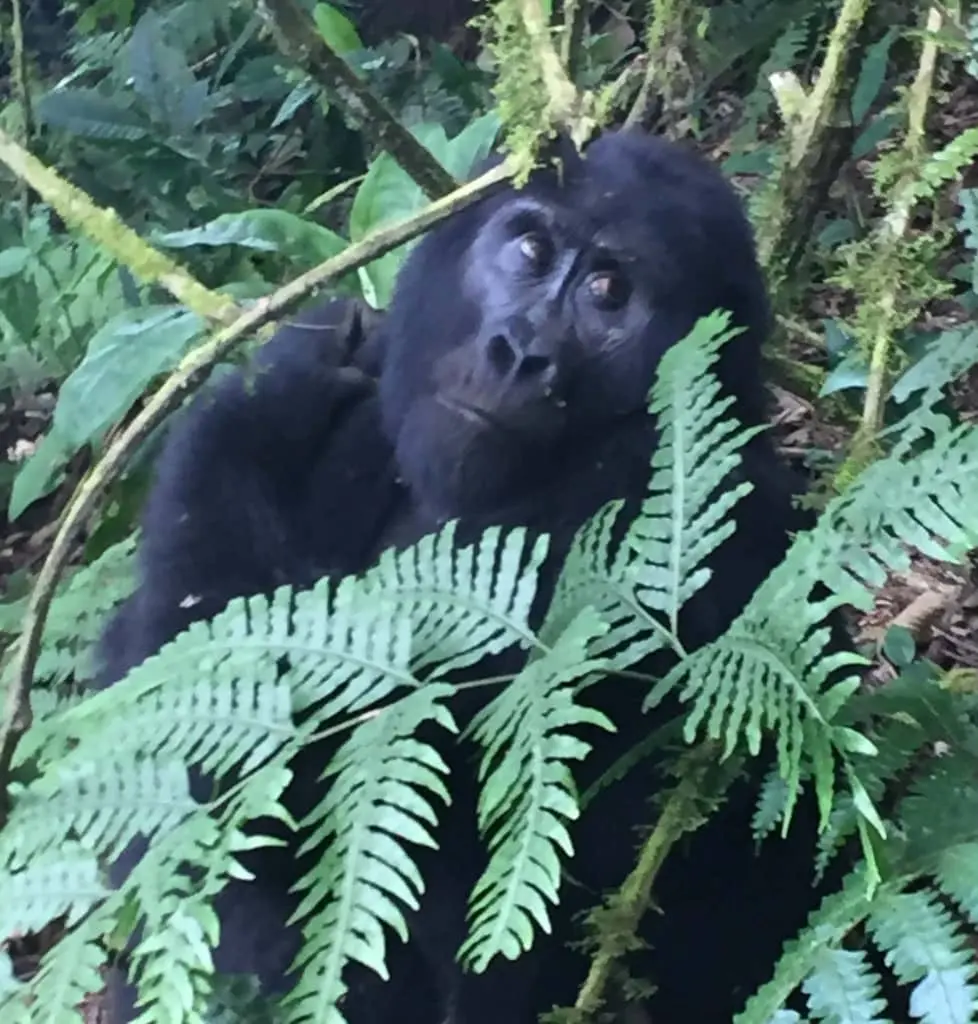
The Kigezi Classic
Straight to the gorillas and back, with two nights on Lake Bunyonyi. The shortest honest way to do this, and the one that starts on our doorstep.
proposed — not yet confirmed
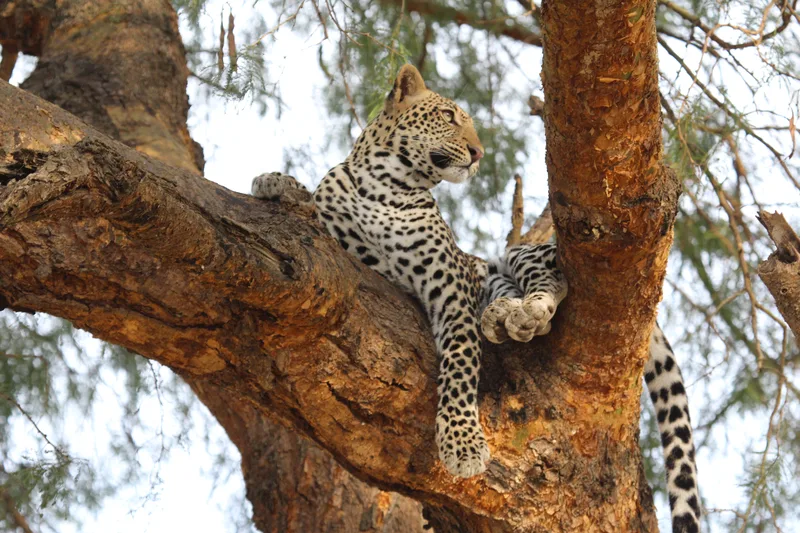
Gorillas & Wildlife
Savannah game, a boat on the Kazinga Channel, chimpanzees, the tree-climbing lions of Ishasha, and one morning with a gorilla family — then two nights to rest on Lake Bunyonyi.
Price being finalised
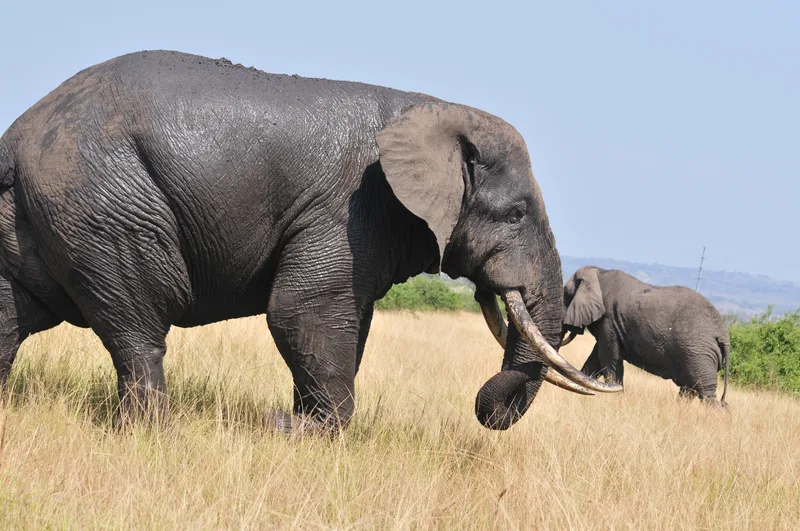
Gorillas, Chimps & the Nile
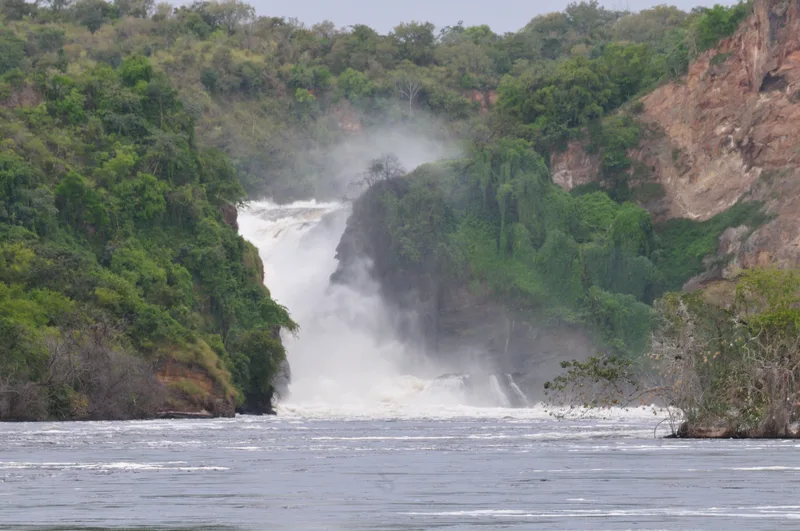
Rhinos at Ziwa, the Nile at Murchison, chimpanzees at Kibale, the Kazinga Channel, the tree-climbing lions of Ishasha — and a full day with the gorillas at Ruhija.
Price being finalised
The Full Circuit
Rhinos at Ziwa, the empty north at Kidepo, the Nile at Murchison, chimpanzees at Kibale, savannah at Queen Elizabeth — and two gorilla treks, in two different parks.
Price being finalised
Source of the Nile to the Gorillas
East to west across the whole country: the source of the Nile at Jinja, the waterfalls of Sipi, Murchison, Kibale, Queen Elizabeth — then the gorillas from Kisoro, Lake Bunyonyi, and out through Rwanda.
Price being finalised
Travelling independently and only need the permit, a driver-guide and a vehicle? Ask — we are happy to keep it simple.
Permits
What a gorilla permit costs, and where the money goes
A permit is a fixed government fee paid to the Uganda Wildlife Authority. It is not ours to discount and we do not mark it up — we show you what it costs, buy it in your name, and send you the reference number.
Only eight people visit a gorilla family in a day, so permits are genuinely scarce. In peak season they are gone three to six months ahead.
Rates as published by UWA, checked 2026-08-23. We re-check before quoting; if they change, you pay the real rate, not ours.
| Gorilla permit, foreign non-resident | USD 800 |
|---|---|
| Low season — April, May, November | USD 600 |
| Foreign resident | USD 700 |
| People per gorilla family, per day | 8 |
Our home ground
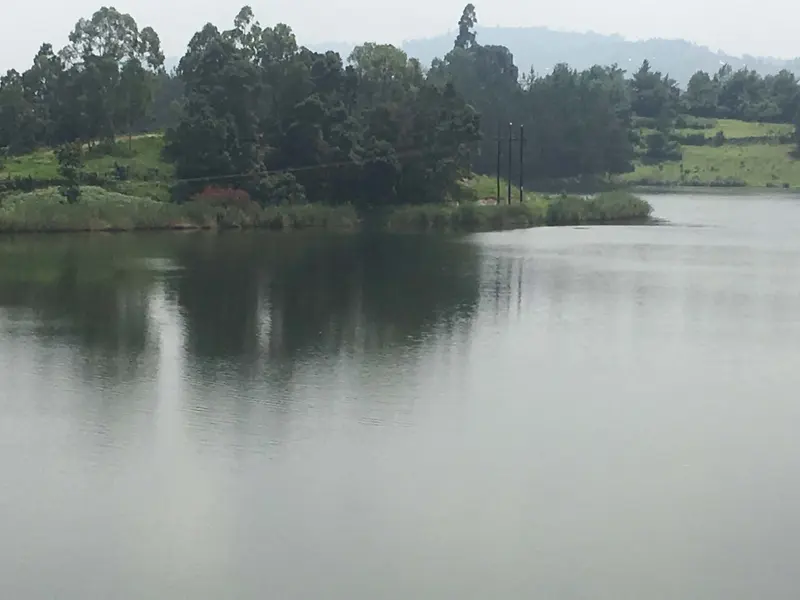
Kigezi is not a stop on the route. It is where we are from.
Lake Bunyonyi sits in the hills of south-western Uganda, twenty-nine islands in deep water with no crocodiles and no hippos. Bwindi's Ruhija trailhead is about an hour and a half away; Rushaga and Nkuringo two to three.
That geography is the whole company. We are not driving eight hours from Kampala to meet you at a trailhead — we know which sector suits which traveller, which road washes out in the rains, and which lodge actually answers the phone.
Where we go
The parks we work in
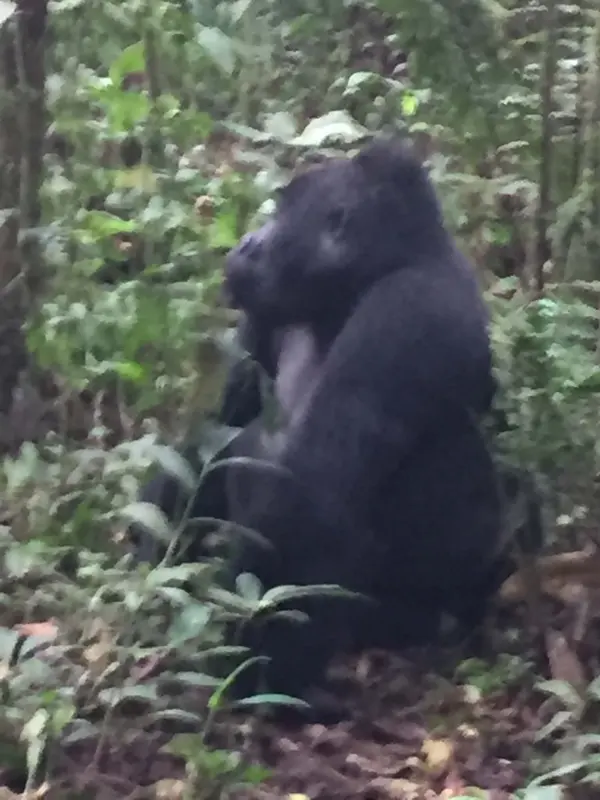
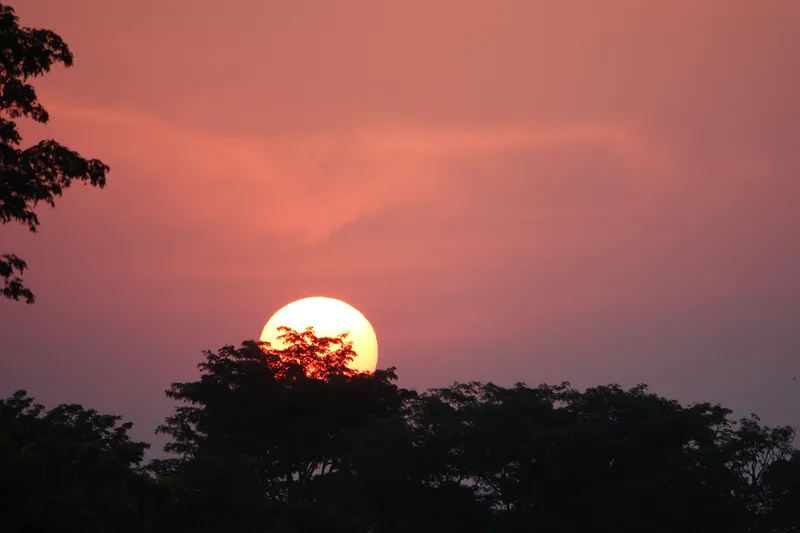
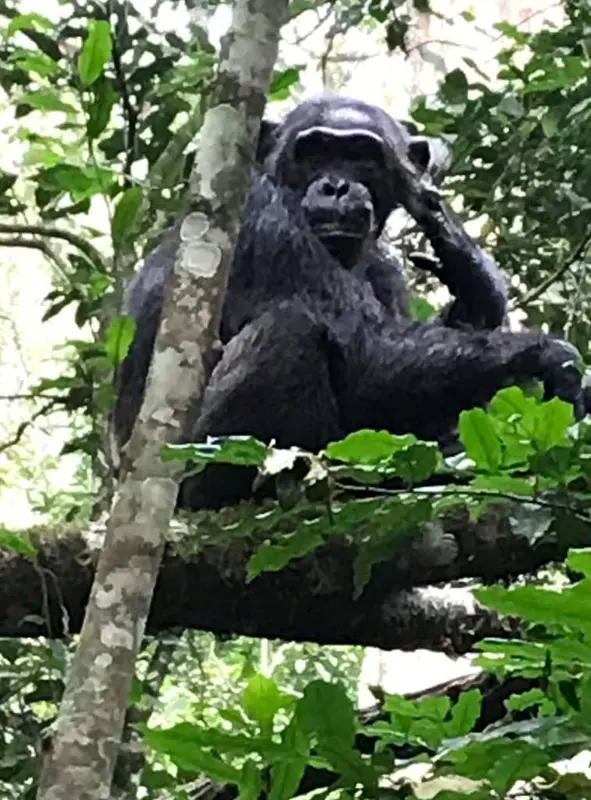
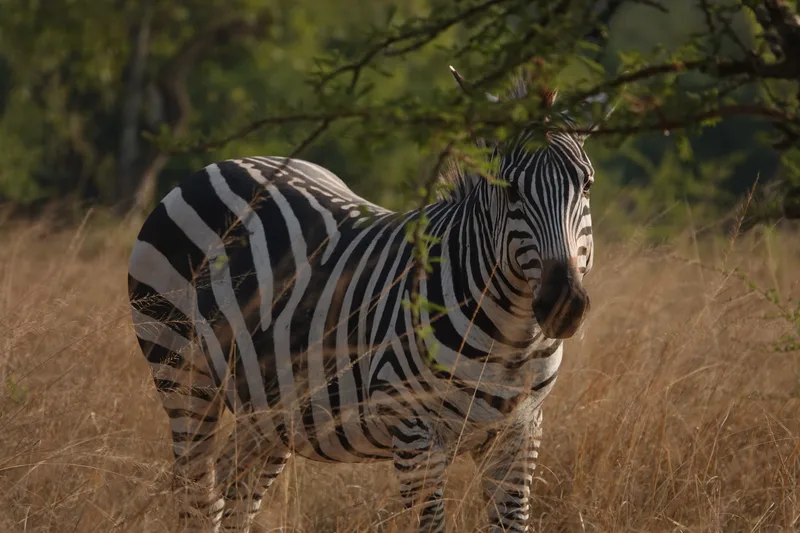
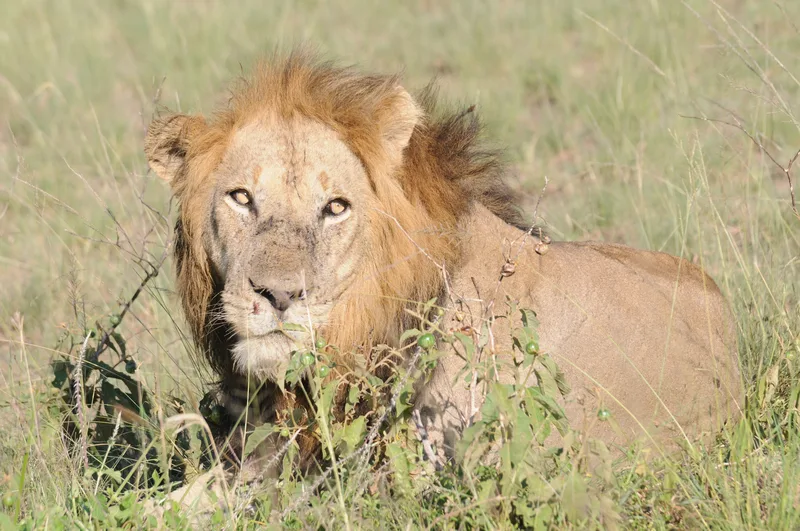
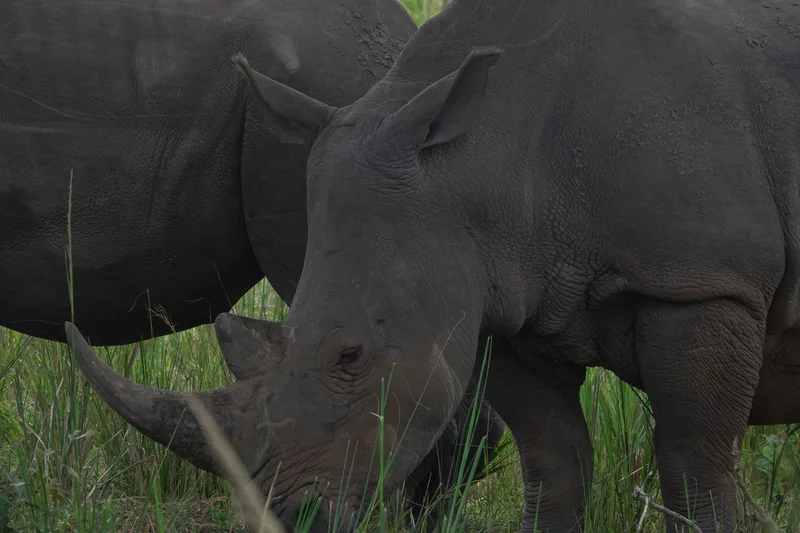
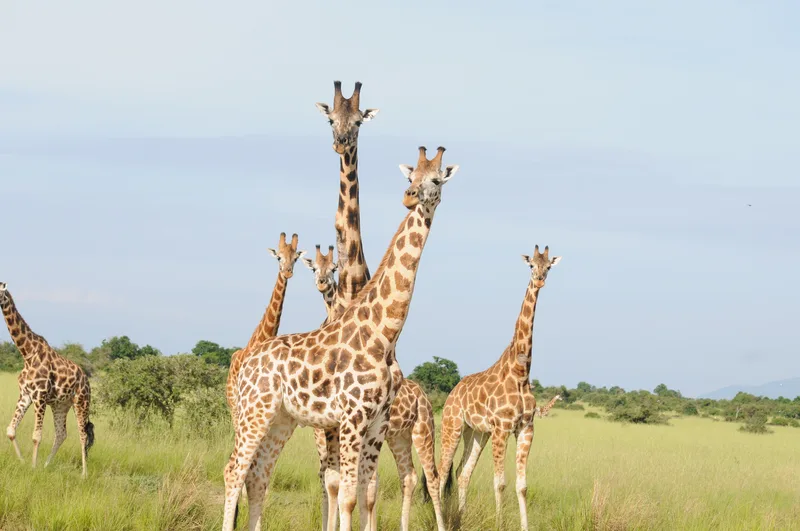
Wildlife photographs from our own collection. Gorilla and chimpanzee photographs by Catherine Wrigley Mary, published with her permission.
On the road
Our vehicles
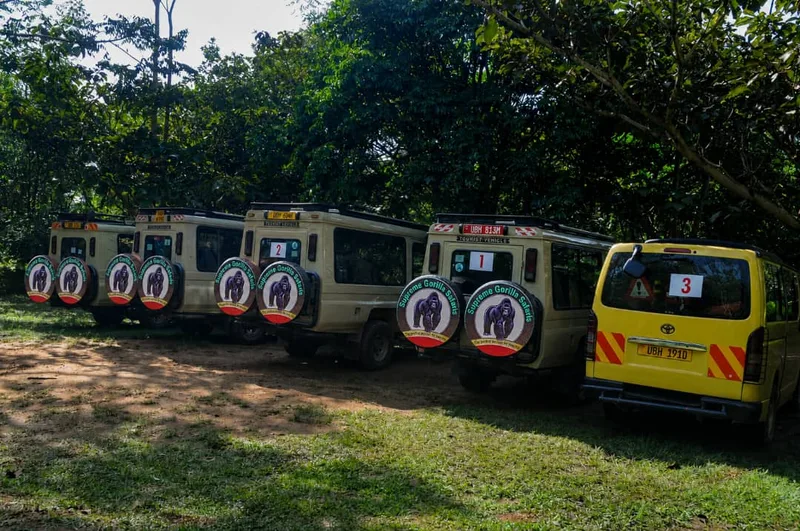
Extended Land Cruisers with pop-up roofs, carrying the tourist-vehicle plates the parks require. You will recognise them by the spare-wheel cover.
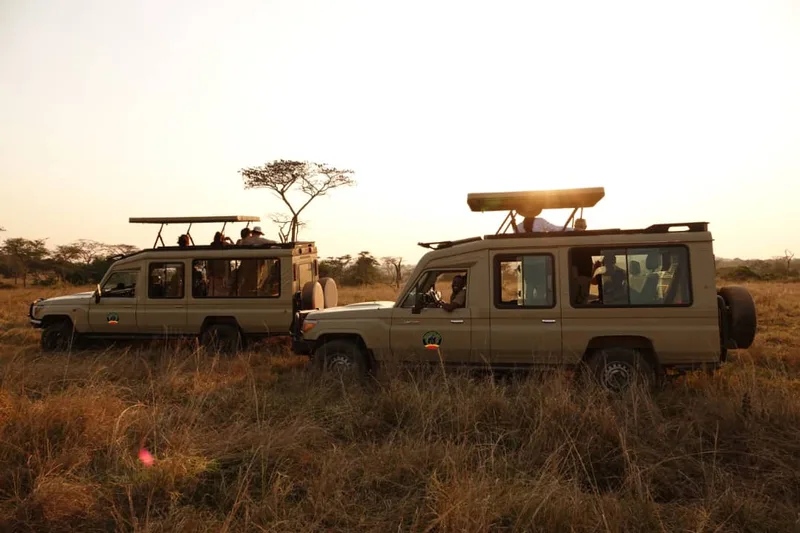
From our trips
What people actually see
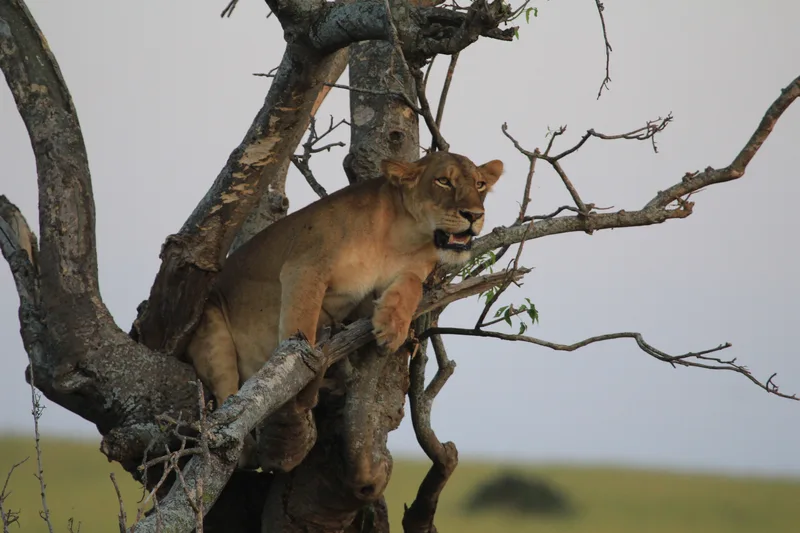
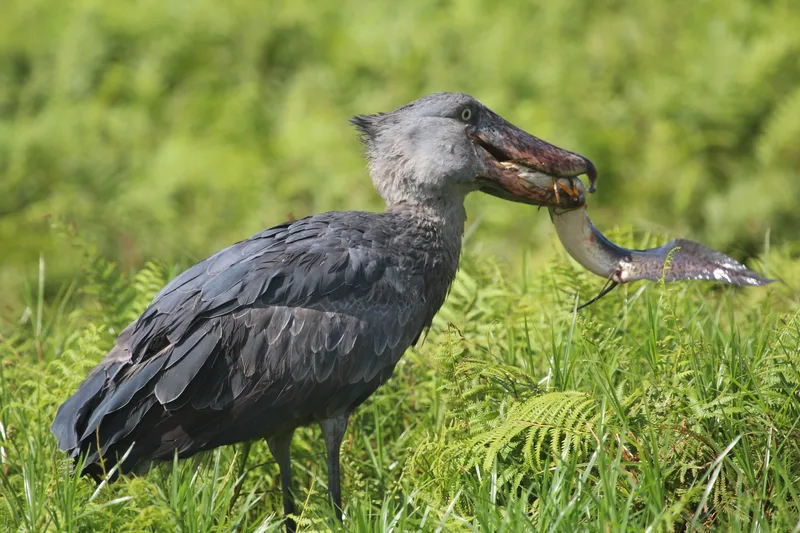
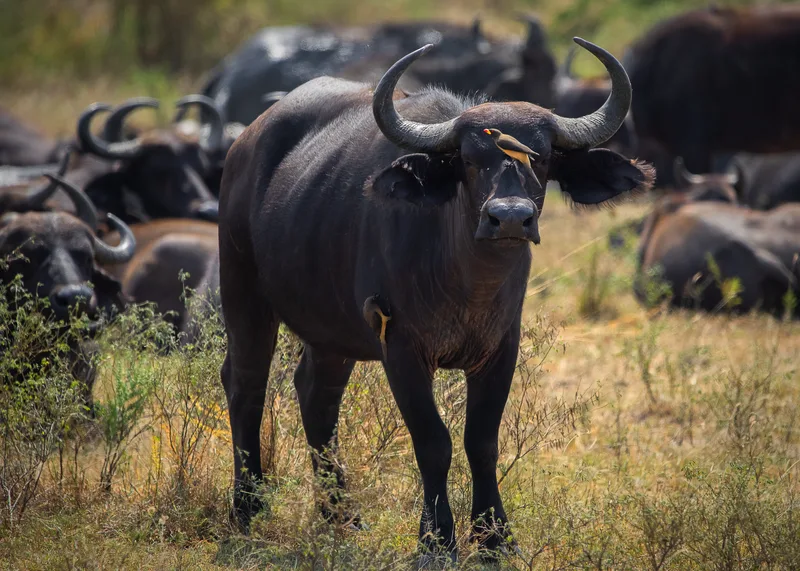
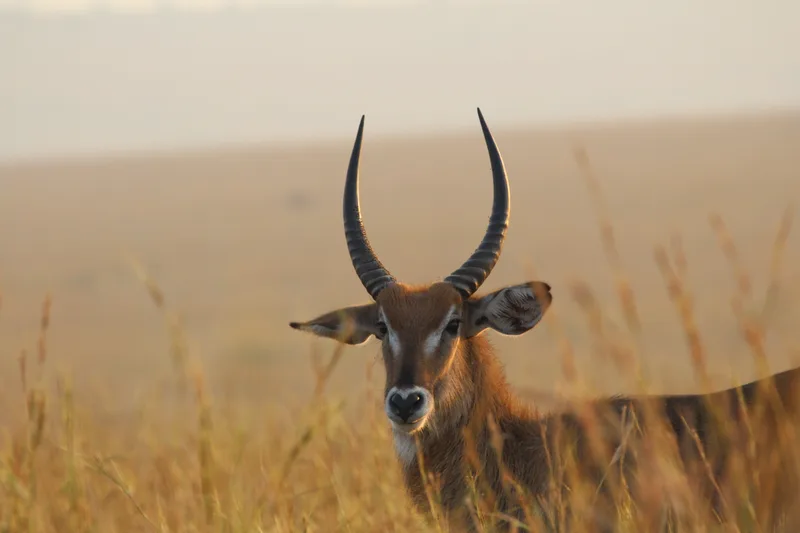
Photographs from our own safaris — not stock, not bought from an agency. The shoebill is the one birders come to Uganda for; the lions in the trees are the Ishasha sector of Queen Elizabeth.
Why the company exists
The safaris pay for the school
Titus and Annitah run a children's home and a primary school at Lake Bunyonyi. It was funded by foreign sponsors until those sponsors withdrew after Covid. This company is how they intend to replace that money with something they control.
That is the whole arrangement, and we would rather state it plainly than decorate it. You are not donating; you are buying a safari from people who will run it well because the school depends on them running it well.
What we will not do
No itinerary visits the children's home, and none ever will. Orphanage tourism harms children, and no amount of good intention makes it acceptable.